“In the midst of the street of it, and on either side of the river, was there the tree of life, which bare twelve manner of fruits, and yielded her fruit every month…” (Rev. 22:2).
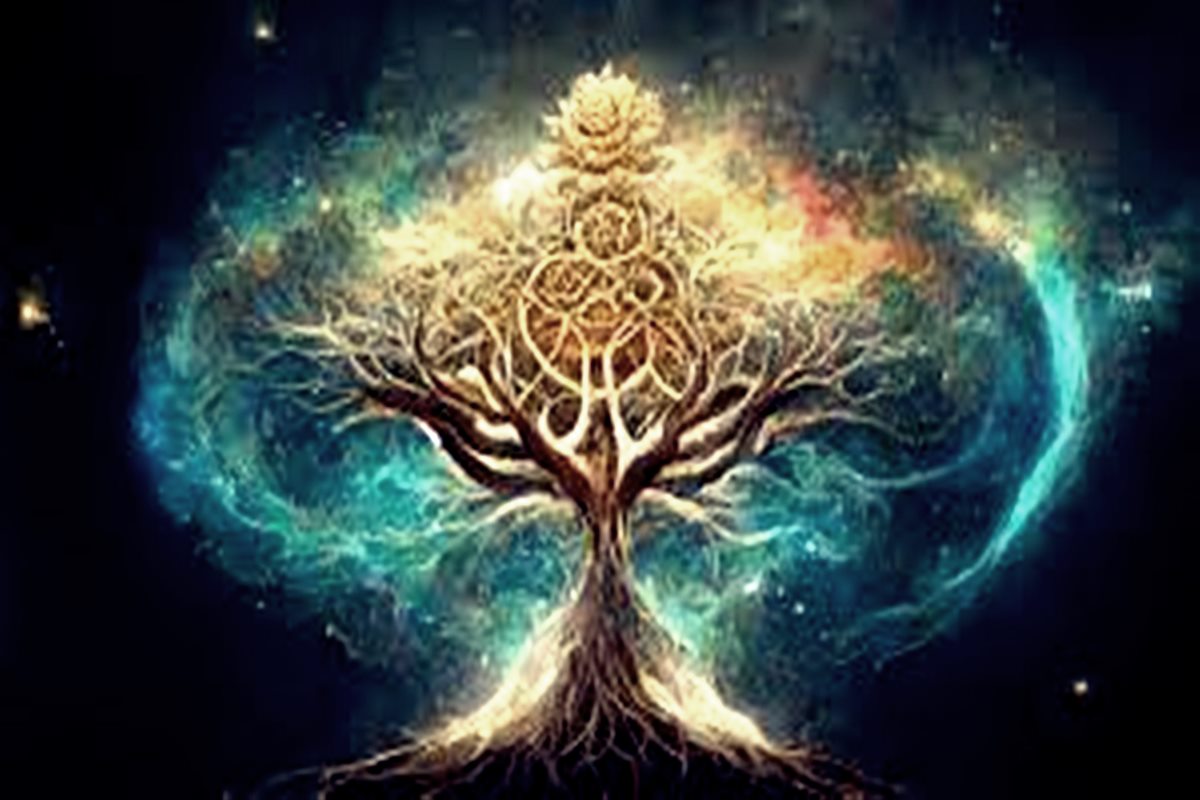
Up to this chapter, the new Jerusalem seems to be all mineral and no vegetable. Its appearance is as the dazzling display of a famous jewelry store, but there is no soft grass to sit upon, no green trees to enjoy, and no water to drink or food to eat. However, here introduced are the elements which add a rich softness and personal refreshment and sustenance to this city of elaborate beauty. First, get the picture! In this broad open space and on either side of the river of life is the tree of life. The literal meaning of the word “tree” is wood, timber, or forest, for it is a collective noun just like the words “city,” or “church,” — the idea is not that there is just one single tree. No, there is an entire park; whole rows of trees alongside the river and the plaza. The plaza is filled with trees! And this forest, or if you please, this forest of men, is on either side of the river. Trees throughout scripture signify men. Of the righteous man the Psalmist said, “And he shall be like a tree, planted by the rivers of water, that bringeth forth his fruit in his season: his leaf also shall not wither; and whatsoever he doeth shall prosper” (Ps. 1:3). The prophet Isaiah adds this testimony, “To appoint unto them that mourn in Zion, to give unto them beauty for ashes, the oil of joy for mourning, the garment of praise for the spirit of heaviness; that they might be called trees of righteousness, the planting of the Lord, that He might be glorified” (Isa. 61:3). This forest of trees (men) brought forth fruit in each month, or continually, and the leaves were for the healing of the nations.
In the first Paradise, there was one singular tree of life (Christ) and that tree had a two-fold significance. First of all that tree and its fruit had the power of giving incorruptible and perpetual life to man. But the significance of the tree of life did not lie merely in the perpetuation of Adam’s earthly existence. It was a sign of that higher aspect of Adam’s life, life in the spirit, which consisted in his oneness with God. The tree of life was more than a mere physical means for extending man’s physical existence. It was the tree of life — TRUE LIFE, SPIRITUAL LIFE, DIVINE LIFE. Although Adam had an earthly aspect of his life, nevertheless life for Adam implied something greater and higher than his earthly consciousness. Eating the Tree of Life would mean sustaining within him the constant and unwavering consciousness and power of the divine spiritual life within.